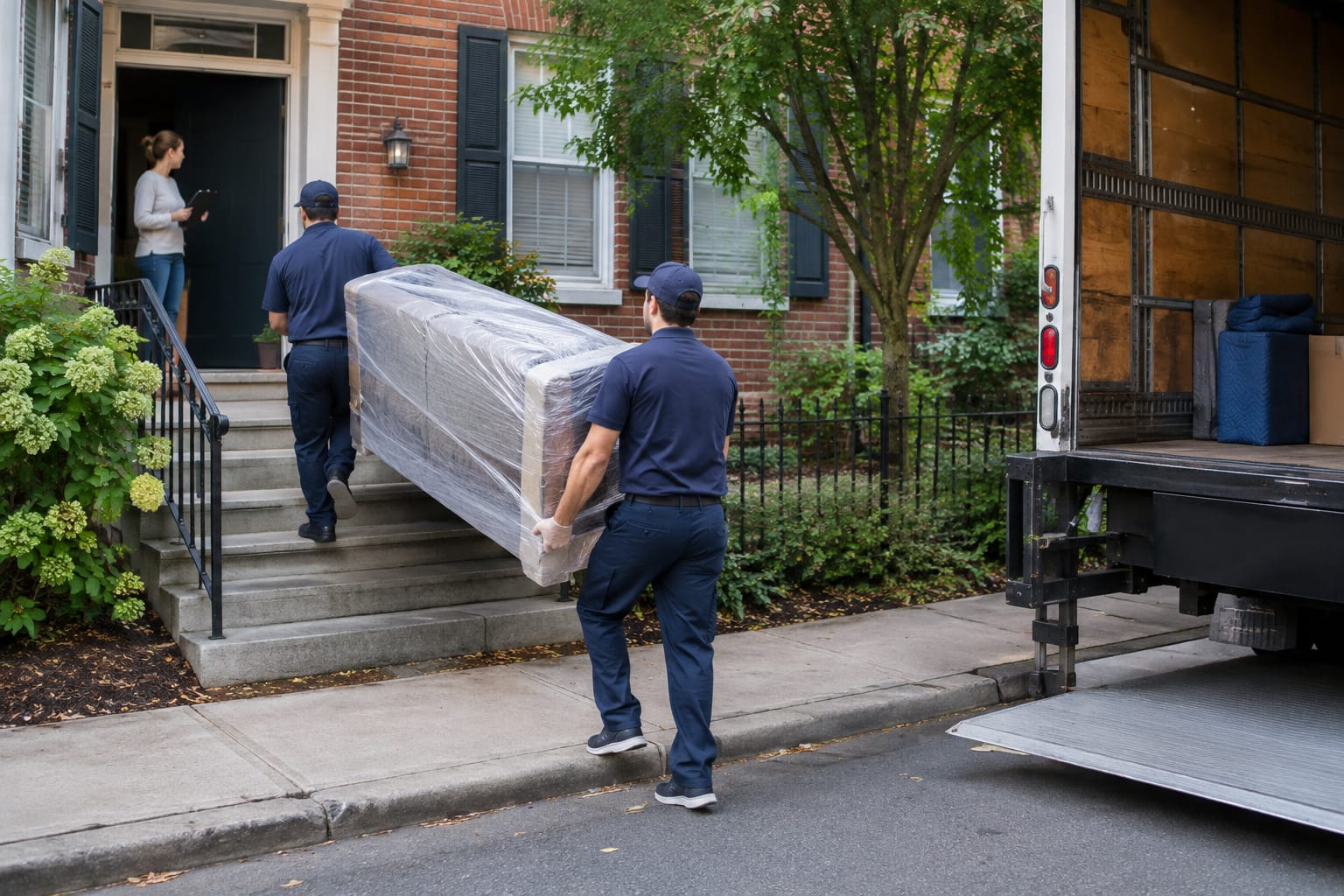
Hiring one of the many moving companies for a local move comes down to three checks. Confirm the license that actually applies to your move, read the company's complaint history, and get a written estimate based on a real survey of your home. Do those three things and you rule out most bad outcomes before they start.
The problem is that local moves get far less scrutiny than long-distance ones, and the rules behind them are different. A mover that never crosses a state line may not answer to federal regulators at all. This guide explains how local movers are regulated, how to verify one in a single evening, how hourly pricing works, and how to protect yourself on moving day.
Key Takeaways
- The state line sets the rules. A move that stays inside one state falls under state law; crossing a state line, even briefly, brings FMCSA interstate rules into play.
- Check the state permit first. For local moves, the state household goods permit matters most; a USDOT number is also required in many states and is checkable in FMCSA's SAFER system.
- Demand a surveyed estimate. Hourly quotes based on an in-home or video survey are far more reliable than phone quotes, which often rise on moving day.
- Walk away from cash or large deposits. FMCSA's Protect Your Move guidance flags cash demands, large deposits, and no on-site survey as warning signs.
- Document moving day. Record start times, photograph furniture, and note damage before signing delivery paperwork.
What Counts as a Local Move (and Why the Rules Differ From Interstate Moves)
For legal purposes, a local move is one that starts and ends in the same state without the truck leaving that state. Movers often use a mileage radius to decide when they charge hourly instead of by weight, but the regulatory line is the state border, not the distance.
That distinction matters more than most people realize. A short hop from Kansas City, Missouri, to Kansas City, Kansas, is an interstate move under federal rules. A 200-mile move inside Texas is not.
Here's why it matters to you. Interstate household goods movers fall under the Federal Motor Carrier Safety Administration's consumer protection rules, which cover estimates, paperwork, and dispute rights. Intrastate moves fall under state law, and states range from detailed licensing and tariff rules to very light oversight.
| Factor | Local (intrastate) move | Interstate move |
|---|---|---|
| Main regulator | State agency (varies by state) | FMCSA |
| Identifiers to check | State mover permit; USDOT number where the state requires it | USDOT number plus operating authority (MC number) |
| Typical pricing | Hourly rate per crew and truck | Weight or volume, distance, and services |
| Where to complain | State regulator, state attorney general, local consumer agencies | FMCSA National Consumer Complaint Database |
How Local Movers Are Licensed: State Rules vs. FMCSA Authority
Let's break this down. Two federal identifiers come up constantly. A USDOT number identifies a commercial carrier for safety tracking. An MC number (operating authority) is the federal permission to haul goods for hire across state lines.
Q: Do local movers need an FMCSA license?
A: Not if they only operate within one state. FMCSA operating authority applies to interstate moves, though many states require intrastate carriers to obtain a USDOT number anyway.
The state permit is the license that matters most for a local move. Depending on the state, the regulator might be the transportation department, the public utilities commission, or the motor vehicle agency. Some cities add their own business licensing on top.
A local mover that also holds an MC number is not a warning sign. It usually means the company also handles interstate jobs. The real problem is a mover with no state permit in a state that requires one, or a company that cannot name its regulator at all.
Insurance is the third piece. A legitimate mover carries liability and cargo coverage and, in most states, workers' compensation for its crew. That last one protects you if a mover gets injured carrying your couch down the stairs.
One practical shortcut: you can search our directory of FMCSA-licensed movers and filter by location, authority type, specialty, or score. On USA Moving Advisor, the authority-type filter helps separate interstate-authorized carriers from companies that work locally. State-level listings, such as licensed movers in Florida, Georgia moving companies, and Illinois movers, make it easier to start with companies near you.
How to Check a Local Mover's License, Complaints, and Safety Record
Verification takes one evening and a short list of identifiers. Work through these steps for every company on your short list.
- Get the identifiers in writing. Ask for the legal business name, any "doing business as" names, a physical address, the USDOT number, and the state permit number.
- Run the USDOT number through SAFER. The FMCSA SAFER Company Snapshot shows operating status, entity type, registered address, and inspection data.
- Confirm the state license. Look up the permit with the state agency that regulates household goods movers, and make sure it is active.
- Search complaints. Check your state attorney general's consumer protection office and the Better Business Bureau. If the company also does interstate work, search the FMCSA National Consumer Complaint Database.
- Request a certificate of insurance. Ask for it to come directly from the insurer, not as a photo from the salesperson.
- Read recent reviews for patterns. One bad review means little. Repeated stories about surprise charges, held belongings, or ignored damage claims mean a lot.
- Verify the address. Look it up on a map. A residential apartment or mailbox store behind a company claiming a large fleet deserves a follow-up question.
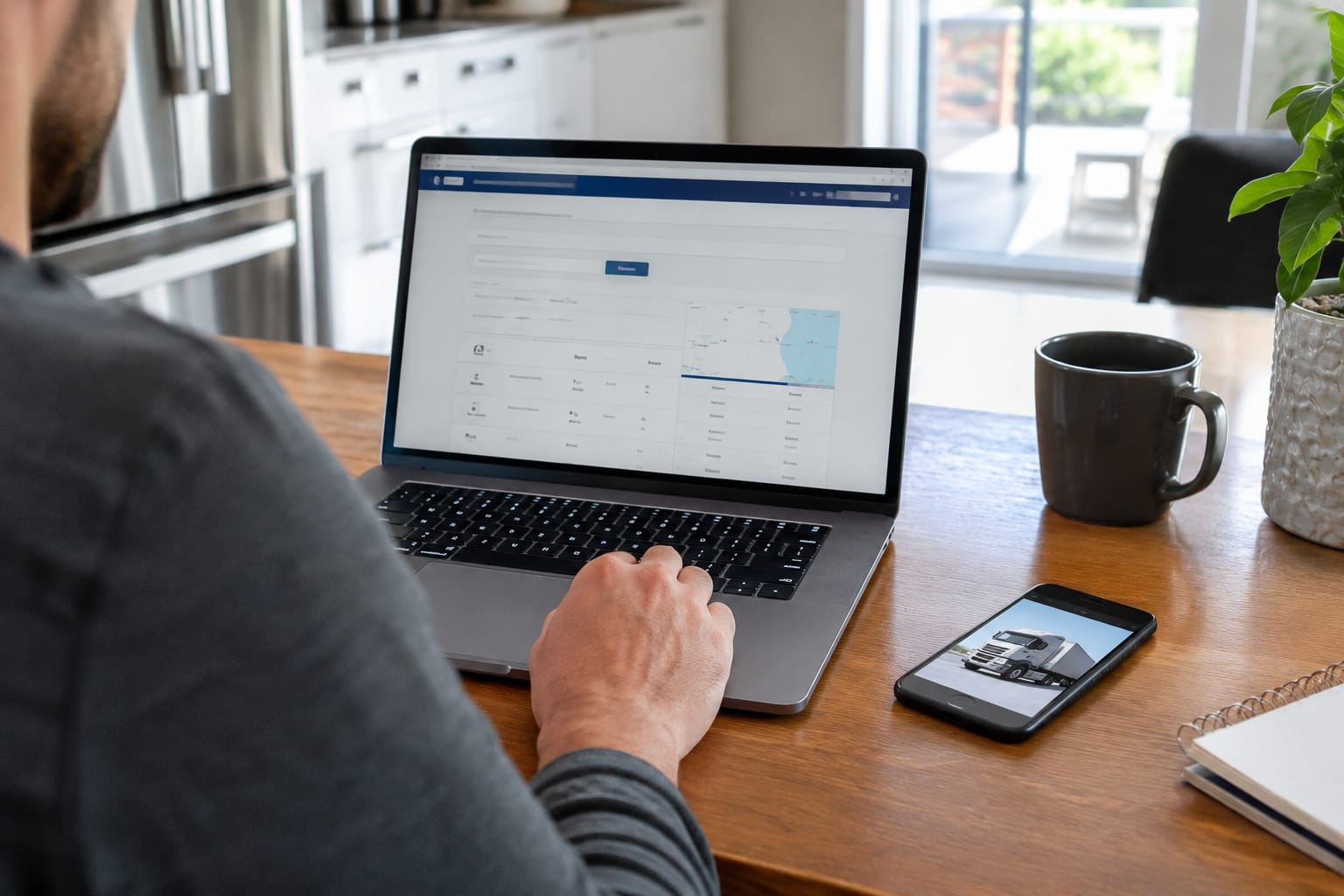
Q: How do I check a mover's USDOT number?
A: Enter the number or company name into FMCSA's SAFER Company Snapshot. Confirm the status reads "Active" and the legal name matches the name on your estimate.
Pro Tip: Compare three names: the one on SAFER, the one on your estimate, and the one painted on the truck. A mismatch can mean the company is a broker that resells your job to another carrier. Ask directly who will perform the move.
For a deeper walkthrough of each check, use the seven-step mover vetting checklist.
How Local Moving Companies Price a Job
Most local movers charge an hourly rate tied to crew size, plus a few fixed fees. The final bill depends on how long the job takes, which is why accurate estimates matter so much.
Expect these components on a typical local quote:
- Hourly rate: Usually quoted per crew (for example, two movers and one truck). Adding a mover raises the rate but often shortens the job.
- Minimum hours: Many companies bill a minimum block of time, even for small moves.
- Travel or truck fee: Covers the drive from the company's lot to your home and back. Ask whether the clock starts at the warehouse or at your door.
- Billing increments: After the minimum, some companies bill in partial-hour increments; others round up to the hour.
- Extras: Stairs, long carries from the truck, elevators, pianos and other heavy items, packing materials, and disassembly.
The most useful estimates come from an in-home or video survey. A mover that quotes over the phone without seeing your belongings is guessing, and guesses tend to rise on moving day. Ask for a "not-to-exceed" figure in writing when the company offers one.

For a line-by-line breakdown of rates, minimums, and travel time, read how hourly pricing works for local moves.
Q: What is the cheapest day to hire movers?
A: A Tuesday, Wednesday, or Thursday in the middle of the month, outside the May-through-September peak season, usually gets the lowest local rates. Weekends and month-end dates, when leases turn over, fill up first.
Questions to Ask Before You Book a Local Mover
The answers to these questions reveal more than any website. A reputable mover answers them quickly and puts the important ones in writing.
- Which state agency licenses you, and what is your permit number?
- Are your crew members employees, or do you subcontract the work?
- When does billing start and stop, and how is travel time charged?
- What is your minimum, and how do you bill after it?
- What fees could apply that are not in this estimate?
- What valuation coverage is included, and what does upgraded coverage cost?
- How do you handle damage claims, and how long do they take?
- Which payment methods do you accept, and when is payment due?
- What happens if the crew arrives late or the truck breaks down?
Pay attention to valuation. Basic coverage included with many moves pays a small fixed amount per pound, not replacement value. A flat-screen TV that weighs little but costs a lot can come back with a tiny settlement.
More about the service: DEMOULAS SUPERMARKETS INC
Red Flags That Should End the Conversation
Some warning signs justify walking away immediately. FMCSA's Protect Your Move guidance lists several that apply just as well to local moves.
- No on-site or video survey, just a quick phone quote
- A demand for cash or a large deposit before the move
- A website with no physical address and no license or insurance details
- Phones answered with a generic "Movers" instead of a company name
- Claims that all your belongings are fully covered by the company's insurance
- Unmarked or rented trucks on moving day
- Pressure to sign blank or incomplete paperwork
A quote far below every other company is another strong signal. Low-ball estimates are the opening move in hostage-load scams, where a crew loads your belongings and then demands more money to unload them. Review the full list of common moving scam red flags before you sign anything.
Comparing Quotes: Building a Short List You Can Trust
Get at least three written quotes from companies that passed your license and complaint checks. Then compare them on equal terms, not just the hourly rate.
Line up these details side by side:
- Crew size and hourly rate
- Minimum hours and billing increments
- Travel or truck fee
- Itemized extras such as stairs, heavy items, and packing materials
- Valuation coverage included
- Deposit, payment timing, and accepted payment methods
What does this mean in practice? A lower hourly rate with a three-person crew can beat a cheaper two-person crew that takes twice as long. The cheapest quote is only cheap if the estimate is realistic.

Independent rankings help narrow the field. USA Moving Advisor ranks movers by FMCSA license status, complaint history, verified reviews, and operational transparency, and takes no payment from the movers it lists. If you already have an account, you can sign in to USA Moving Advisor before comparing local movers and pick up your research where you left off.
Before you sign, read the whole contract. Check that the rate, minimum, fees, and coverage match the quote exactly.
What to Do on Moving Day to Protect Yourself
Your main job on moving day is to stay present and document everything. Most disputes come down to paperwork and photos.
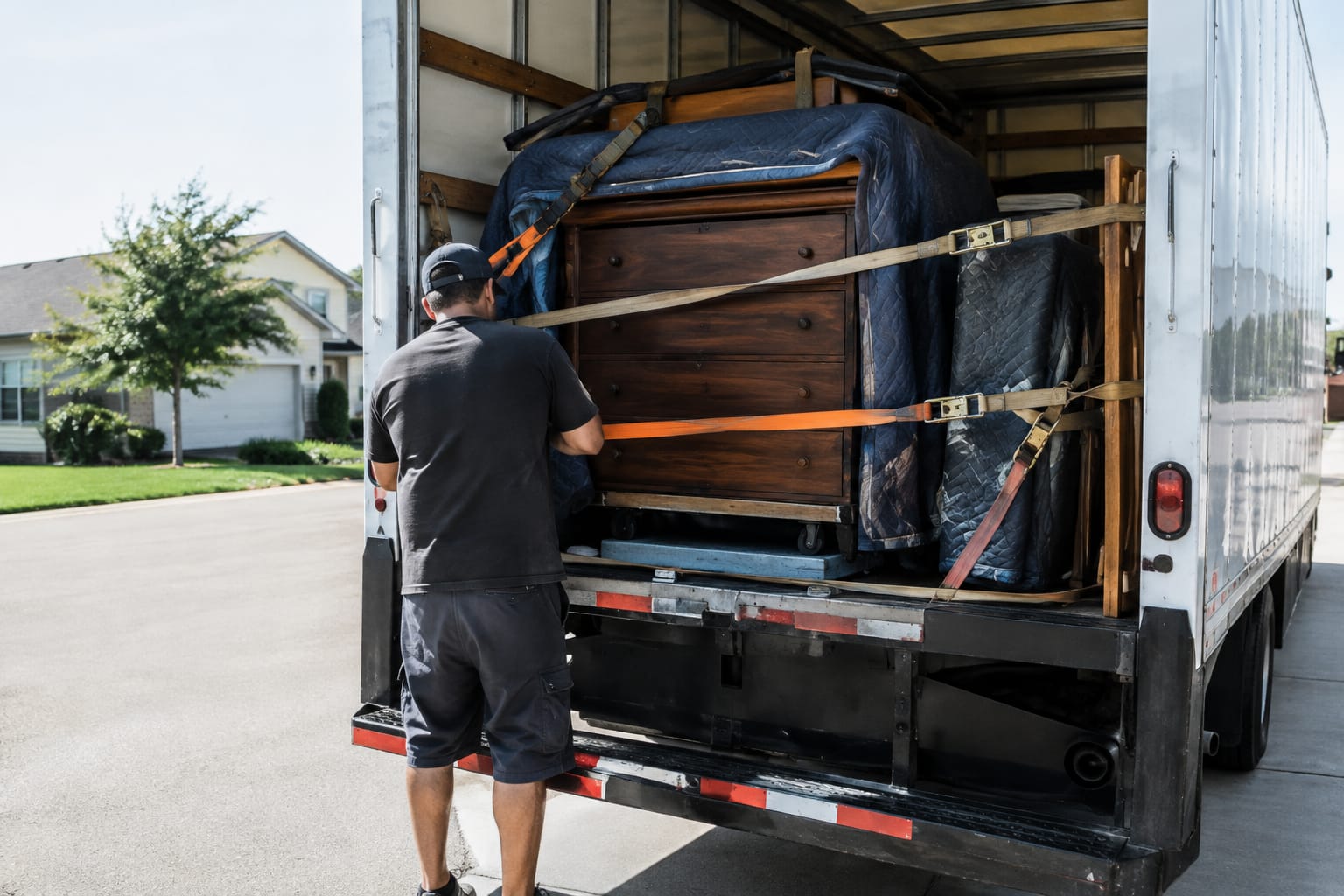
- Confirm the crew. The company name on the truck and paperwork should match the company you hired.
- Review the paperwork before loading. Expect the estimate, an order for service or contract, and a bill of lading. Learn your rights around the bill of lading and inventory before the crew arrives.
- Photograph valuable furniture. Take time-stamped photos of condition before anything is wrapped.
- Note the start time. Write it down yourself, along with any breaks, for hourly billing.
- Keep valuables with you. Jewelry, documents, medications, and electronics with personal data should travel in your car.
- Walk the truck before it leaves. Confirm nothing remains and nothing is left behind at the old home.
- Inspect before you sign at delivery. Note any damage or missing items on the delivery paperwork. Signing a clean receipt weakens a later claim.
Pay with a credit card when possible. Card issuers offer a dispute process that cash and payment apps usually do not.
Hiring a local mover you can trust is less about luck than about a repeatable process. Verify the license that applies to your move, check complaints, insist on a surveyed written estimate, and document the day itself. A mover who passes every step is one worth booking.
Frequently Asked Questions
How far in advance should I book a local moving company?
Aim for four to six weeks for most local moves. Book earlier if you're moving on a summer weekend or at month-end, when many leases end and reputable crews fill up first.
Should I pay a local mover a deposit?
A modest reservation deposit paid by credit card is common with established movers. A large upfront payment, or any demand for cash, matches the warning signs covered above and is a reason to keep looking.
Written by USA Moving Advisor Team
Useful Links
- Browse Verified Moving Companies
- How to Vet a Moving Company in 7 Steps
- Local Moves: How Hourly Pricing Really Works
- 10 Moving Scam Red Flags (and How to Respond)
- Moving FAQ: Costs, Rights, Scams & More
Need help with this? DEMOULAS SUPERMARKETS INC · Contact us